


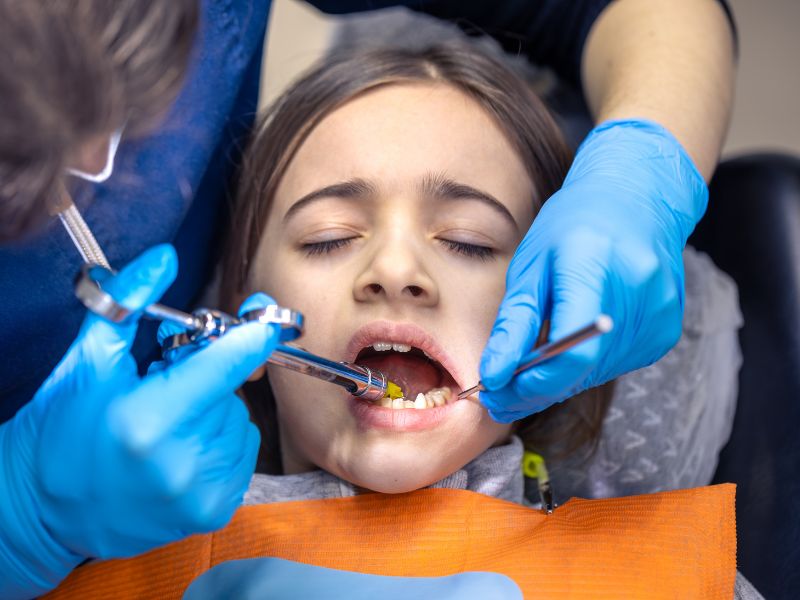
Choosing the right foods after a tooth extraction can make eating more comfortable while the mouth heals. Soft foods that need little chewing are usually easier to manage during the first few days. The Best foods after tooth extraction should also be gentle on the extraction area and easy to eat without disturbing the healing site.
After a tooth is removed, the area needs time to heal. Eating carefully can help protect it and reduce pressure on the area. You may need to change what you eat as your mouth heals. Foods that are helpful on the first day may not be needed later.
What Can You Eat After a Tooth Extraction?
The answer depends on how the extraction site feels and how healing is progressing. Soft, cool, or lukewarm foods are often easier to eat during the early stage.
Suitable choices may include:
- Yoghurt
- Applesauce
- Mashed potatoes
- Smooth soups served lukewarm.
- Scrambled eggs
- Soft oatmeal
- Cottage cheese
- Smoothies eaten without a straw
Food should be soft enough to require little chewing, especially during the first part of recovery.
What Should Be Eaten During the First 24 Hours?
Tooth extractions in Chastain Road may be followed by specific eating instructions based on the tooth removed and the type of extraction. During the first day, soft foods that do not require much chewing are generally easier to manage.
Try foods such as:
- Plain yoghurt
- Pudding
- Applesauce
- Mashed vegetables
- Soft eggs
- Smooth, lukewarm soups
Avoid very hot foods and drinks during the early period unless different instructions are provided.
Which Foods Are Best as Healing Progresses?
As the mouth becomes more comfortable, the diet can slowly include foods with more texture. The change should be gradual rather than sudden.
Options may include:
- Soft pasta
- Tender cooked vegetables
- Soft rice dishes
- Flaky fish
- Shredded tender chicken
- Soft pancakes
- Well-cooked grains
Chewing should be done away from the extraction area when possible, especially while the site remains tender.
What Foods Should Be Avoided?
Some foods can irritate the extraction area or may be difficult to chew safely during early healing.
Foods and drinks to avoid may include:
- Hard or crunchy foods
- Chips and popcorn
- Nuts and seeds
- Sticky sweets
- Very spicy foods
- Very hot foods and drinks
- Tough meats
- Foods with small pieces that can become trapped in the extraction area
Following these precautions can help reduce irritation while the site heals.
Can You Drink Smoothies After an Extraction?
Smoothies can be an easy way to get nutrients when chewing is uncomfortable. However, drinking through a straw should generally be avoided during early healing because suction can disturb the blood clot in the extraction site.
A smoothie can instead be taken from a cup or spoon. Avoid adding hard seeds or pieces that may irritate the area.
When Can Normal Foods Be Eaten Again?
The return to normal foods depends on the extraction and how healing is progressing. Some people can gradually add more foods as tenderness decreases, while more difficult extractions may require a longer period of softer meals.
A dentist near you can provide guidance based on the extraction site and recovery. Do not rush back to hard or crunchy foods if chewing still causes pain.
How Can Meals Be Made Easier During Recovery?
Planning simple meals can make the first few days easier. Eating smaller meals may also feel better if your mouth is sore.
Helpful habits include:
- Choose soft foods that are easy to chew.
- Eat slowly and carefully.
- Keep food away from the extraction area when possible.
- Drink enough water.
- Follow any specific eating instructions provided after treatment.
A dentist in Chastain Road can provide personalised advice when certain foods or eating habits are difficult during recovery.
Signs That Eating May Need Medical Attention
Some soreness is expected after an extraction, but increasing pain or other unusual symptoms should not be ignored.
Contact a dental professional if there is:
- Severe or worsening pain
- Significant swelling
- Persistent bleeding
- Fever
- A bad taste or smell with increasing pain
- Difficulty swallowing or breathing
These symptoms may need prompt assessment rather than changes to the diet alone.
Make Your Recovery Easier With the Right Food Choices!
Eating the right foods after a tooth extraction can help make meals more comfortable while the extraction site heals. Knowing when to add softer, regular, and firmer foods can also help avoid unnecessary pressure on the healing area.
Book an appointment with 32 Dental Practice to learn what to eat after your extraction, understand your recovery needs, and receive clear guidance for a smooth return to your usual diet.
FAQs
Can eggs be eaten after a tooth extraction?
Yes. Soft scrambled eggs are generally easy to chew and can be a suitable food during early recovery, provided they are not too hot.
Can bread be eaten after an extraction?
Soft bread may be easier to manage later in recovery, but chewy or crusty bread can place pressure on the healing area. The timing depends on how the extraction site is healing.
Can dairy products be eaten after tooth removal?
Foods such as yoghurt and cottage cheese can be suitable soft options. Follow any specific instructions provided after the extraction.
Can rice be eaten after a tooth extraction?
Soft rice may be easier to eat once the mouth is more comfortable. Small food pieces can sometimes collect around the extraction site, so careful eating and cleaning are important.


