


A chipped tooth can happen in an instant. Biting down on something hard, taking a knock during sports, or even just an unexpected crunch from a piece of food—and suddenly you have a rough, jagged edge where a smooth tooth used to be.
The bright side to this problem is that repairing minor tooth damage is the simplest procedure in dentistry. Even most minor breaks can be repaired quickly, and with complete comfort, the result is indistinguishable from the original.
Understanding your options helps you know exactly what to expect when you visit your dentist.
Is a Chipped Tooth a Dental Emergency?
Not always, but it depends on the severity.
A very small chip with no pain and no sharp edge is not typically an emergency. However, you should still book an appointment promptly because
- A jagged edge can cut your tongue or cheek
- The exposed area can become sensitive over time
- Minor chips can grow larger with normal biting and chewing if left untreated
If the chip is large, exposes the inner layer of the tooth, causes significant pain, or involves damage to the gum or surrounding teeth—seek care the same day.
If you are searching for tooth-coloured fillings near you to repair a chipped tooth, most clinics can accommodate you quickly—often within a day or two.
How Dentists Fix Minor Chipped Teeth
The treatment for minor chipped teeth depends on where the chip is, how large it is, and which tooth is affected. Here are the most commonly used approaches:
Dental Bonding
Dental bonding is the most common and most accessible treatment for small chips. It uses a tooth-coloured composite resin—the same material used in modern fillings—applied directly to the chipped area.
Here is how it works:
- The tooth surface is lightly prepared to help the resin bond properly
- The composite resin is applied and carefully shaped to match the natural contour of the tooth
- A special curing light hardens the material in seconds
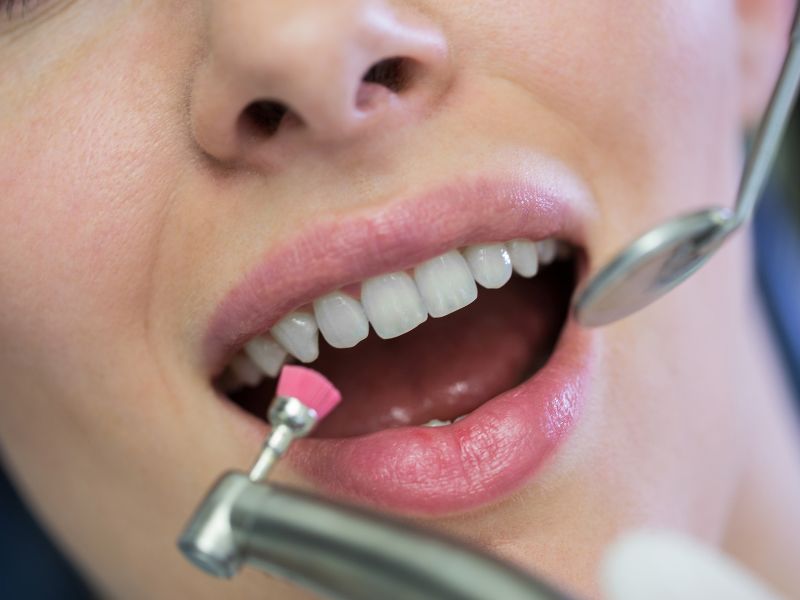
- The dentist polishes the bonded area to a smooth, natural finish
The whole process usually takes 30 to 60 minutes and requires no anesthesia in most minor cases. The result looks and feels just like a natural tooth.
Dental bonding is ideal for front teeth chips where appearance is the primary concern. It is affordable, quick, and produces excellent aesthetic results.
Dental Contouring
For very small chips — particularly those that have simply created a sharp or uneven edge — dental contouring may be all that is needed.
This involves using a fine dental instrument to gently smooth and reshape the chipped area. No material is added. The rough edge is simply refined and polished until it feels smooth and looks natural.
It takes just a few minutes and requires no anesthesia at all.
Tooth-Coloured Filling
If the chip has occurred on a back tooth—or if the chipped area is slightly larger and needs structural support—a tooth-coloured filling may be the most appropriate solution.
A dental office in Kennesaw that patients visit for chipped teeth will assess whether the chip affects the structural integrity of the tooth. If it does, a filling provides both cosmetic improvement and the strength the tooth needs to function normally under biting pressure.
Porcelain Veneer
For a chip that is more cosmetically significant — particularly on a front tooth — or when a patient wants a longer-lasting result, a porcelain veneer may be recommended.
A veneer is a thin ceramic shell custom-made to cover the entire front surface of the tooth. It fully conceals the chip and produces a highly natural, stain-resistant finish that lasts for many years.
Veneers require two appointments—one for preparation and impressions and one for bonding the finished veneer in place.
Which Treatment Is Right for Your Chipped Tooth?
Here is a simple overview to help you understand which approach tends to suit which situation:
| Chip Severity | Location | Best Treatment Option |
| Very small rough edge | Any tooth | Dental contouring |
| Small chip — no sensitivity | Front tooth | Dental bonding |
| Small to medium chip | Back tooth | Tooth-coloured filling |
| Larger cosmetic chip | Front tooth | Porcelain veneer |
| Chip with sensitivity or pain | Any tooth | An assessment is needed first |
Your dentist will assess the chip thoroughly and recommend the option that gives you the best functional and cosmetic outcome for your specific situation.
How to Protect Your Teeth From Chipping
Once your chip has been repaired, a few simple habits help protect your teeth going forward:
- Avoid chewing ice—one of the most common causes of chipped teeth
- Do not use your teeth to open packaging or bottles
- Wear a mouthguard during contact or impact sports
- Wear a night guard if you grind your teeth while sleeping
- Be cautious with very hard foods like hard sweets or crusty bread
A dental office near you that offers regular checkups will also monitor repaired chips at each visit to ensure the restoration remains in good condition.
Your Smile Is Easy to Restore
Minor chips are one of the simplest dental concerns to fix — and one of the most satisfying, because the results are immediate and genuinely impressive. Whether it is a quick polish, a bonding procedure, or a veneer, your dentist has an effective solution for every situation.
Let our caring and professional team at 32 Dental Practice bring back your natural smile quickly and comfortably, using treatments that deliver perfect, realistic results. Come and see our friendly team, and let us sort out your chipped tooth for you.
Frequently Asked Questions
Q1. Does fixing a chipped tooth hurt?
For most minor chip repairs — particularly bonding and contouring — no anesthesia is needed, and the procedure is completely comfortable. Larger repairs may use local anesthesia to ensure comfort throughout.
Q2. How long does dental bonding last for a chipped tooth?
Dental bonding usually lasts 3-7 years if maintained appropriately. Bonding can be topped up or redone conveniently at a regular dental visit.
Q3. Can a chipped tooth get worse if I leave it?
Yes, a chipped tooth can continue to break or crack further under normal biting and chewing forces. Getting it assessed and repaired promptly prevents a minor issue from becoming a more serious one.
Q4. Will my repaired chip look natural?
Yes—modern tooth-coloured materials are carefully matched to the shade of your natural tooth. When properly applied and polished, most people cannot tell that any repair has been done at all.


